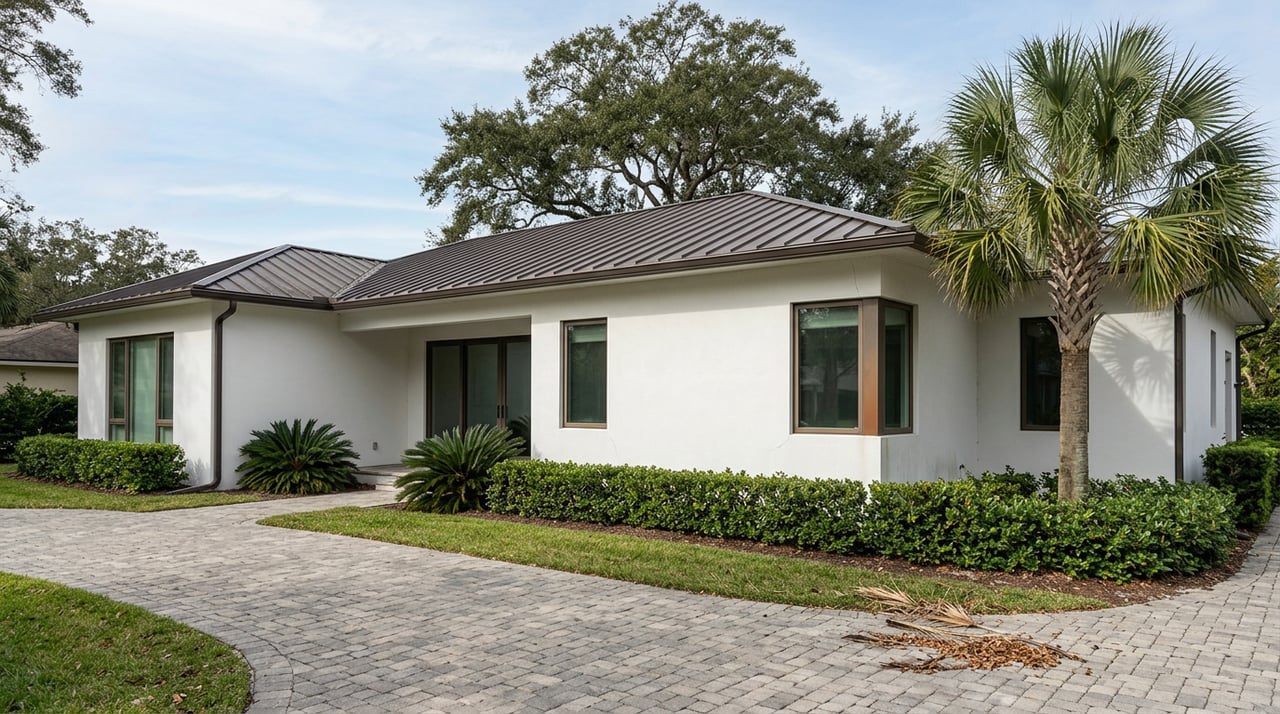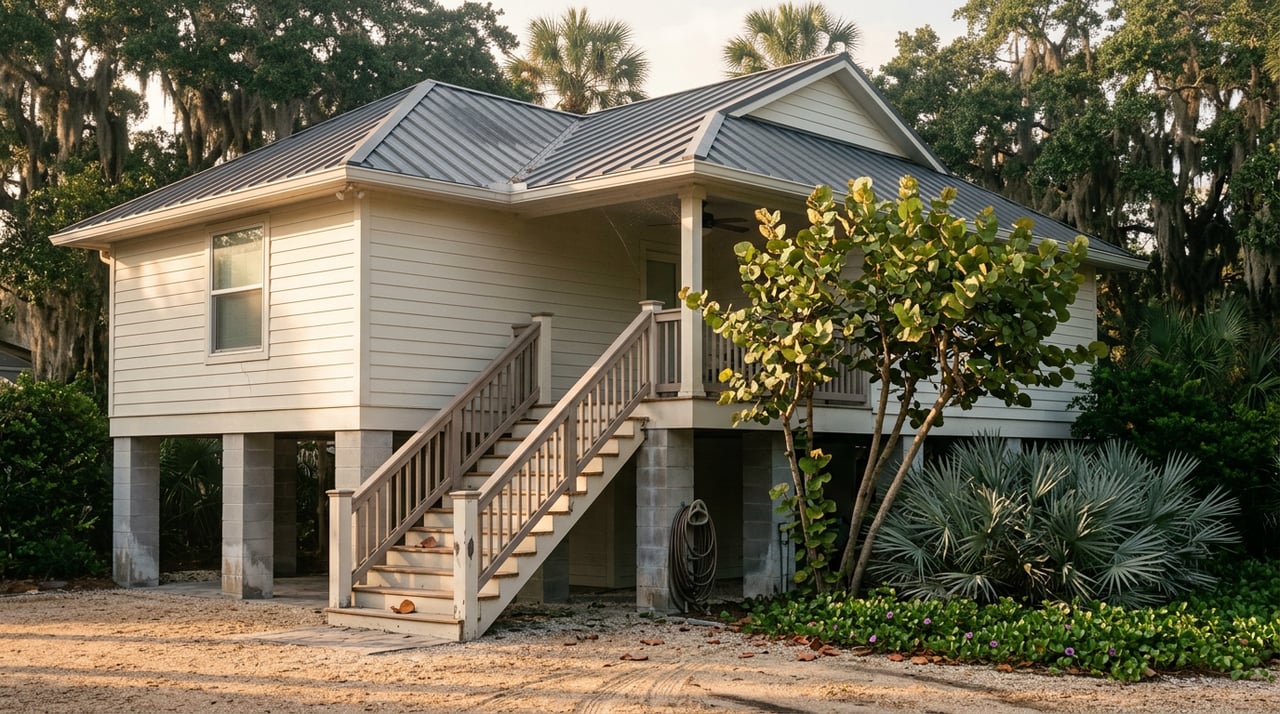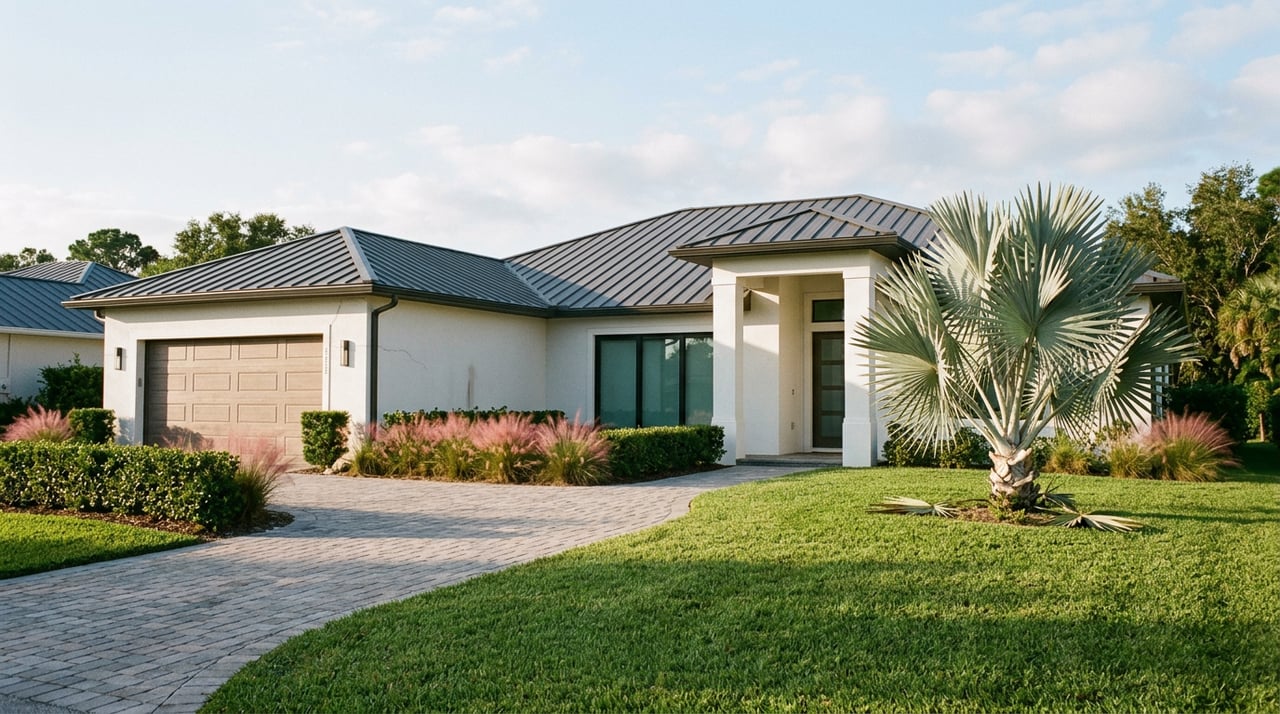
Picture a seller in Old Englewood Village this year. The 1962 block home has a roof that looks fine from the street, no missing shingles, no visible sag. The seller has never filed a claim. An offer comes in within a few weeks, which tracks with how this pocket of Englewood has been trading. Then the buyer's insurance agent calls back with a problem nobody flagged during the showing: the roof has no permit record on file, and without one, the carrier cannot confirm its actual age. What looked like a straightforward closing turns into a two-week scramble for a roof certification.
That scenario is becoming more common, and it is not because Englewood's homes got older overnight. It is because the rules for verifying age just changed.
The Rule That Changed on August 1
For years, an older Englewood home's insurability rested heavily on what the seller or listing agent reported: the roof was replaced in whatever year someone remembered, the panel was upgraded at some point, nobody could quite say when. Carriers mostly took that information at face value unless something during the four-point inspection contradicted it.
Starting with new Citizens Property Insurance Corporation applications effective August 1, 2026, that changes. Citizens can now pull a home's roof-update year directly from third-party data rather than relying solely on what's submitted with the application. For a buyer applying fresh coverage on an older Englewood home, the carrier may already know more about the roof's documented history than the person selling it does.
This does not touch existing policies. A homeowner who already has coverage in place is not affected by this specific change. It matters at the exact moment a home changes hands, which is precisely when Englewood's older housing stock sees the most transactions.
What the Four Systems Actually Check
A four-point inspection looks at four systems: roof, electrical, plumbing, and HVAC. It is not a general home inspection, and it is not designed to tell a buyer whether the house is a good deal. It exists to tell an insurance underwriter whether the home is a risk they want to take on.
| System | What triggers a red flag | Florida's rule of thumb |
|---|---|---|
| Roof | Shingle roof past 15 to 20 years, active leaks, heavy granule loss | Cannot be denied solely for age under 15 years; past that, a passing inspection confirming 5+ years of remaining life keeps most policies alive |
| Electrical | Federal Pacific (Stab-Lok), Zinsco, Challenger, or Sylvania panels; aluminum branch wiring | No age protection applies. Panel brand alone can trigger a decline regardless of the home's overall condition |
| Plumbing | Polybutylene pipe, an aging water heater | Treated as a hard red flag by most carriers, with no statutory buffer |
| HVAC | Age and maintenance history | Reviewed for remaining useful life, rarely a decline on its own |
Florida law gives roofs a specific protection that the other three systems don't get: an insurer cannot refuse to issue or renew a policy solely because a roof is under 15 years old, and once it passes that mark, a licensed inspector confirming at least five years of remaining life is often enough to keep coverage in place. Citizens applies its own documentation thresholds on top of that: additional paperwork is required for shingle roofs past 25 years, and for tile, slate, or metal roofs past 50 years.
Electrical and plumbing get no such cushion. A Federal Pacific panel in an otherwise immaculate 1968 home can sink a quote just as fast as one in a neglected property, and polybutylene pipe reads as a red flag to nearly every carrier writing in Southwest Florida right now.
Why This Hits Old Englewood Harder Than the Median Suggests
Englewood's overall median sale price sits well below Venice and Sarasota, which is part of what draws relocators here in the first place. But that headline number flattens a housing stock that is far from uniform. Old Englewood Village, much of Grove City, and pockets of Englewood Isles carry a meaningfully older building vintage than the newer construction filling in elsewhere in Englewood, including homes built by local builders like Kluge in the 1950s, with the solid block construction typical of that era.
In May 2026, the most recent month with published neighborhood-level data, homes in Old Englewood Village carried a median list price of $415,000 and typically sat on the market 99 days, well beyond the pace buyers expect in a fast-moving Florida market. Some of that stems from ordinary pricing and inventory dynamics. Some of it is almost certainly the insurance friction described above, surfacing late in a transaction and pushing closings back while a roof certification or panel replacement gets sorted out.
This is the piece the median price doesn't tell you: two homes at the same list price in this pocket of Englewood can move through underwriting at very different speeds depending on paperwork that has nothing to do with how the house shows.
The Paperwork That Beats a New Roof
Here's the part that surprises a lot of sellers: a properly documented older roof often outperforms an undocumented newer one at underwriting. Some private carriers have loosened their stance heading into 2026, accepting older roofs with limited water coverage or an actual cash value endorsement instead of declining outright. A few have pushed their four-point trigger back to 25 or 30 years for homes that pass inspection cleanly. None of that flexibility helps a homeowner who can't produce a permit or certification when asked.
For a house with no clear paper trail, the roof is treated as an unknown, which underwriters price conservatively. For a house with a permit on file and a recent roof certification from a licensed inspector, even one that's technically older, the carrier has something concrete to work with.
Local inspection companies like Englewood Home Inspections perform the four-point and wind mitigation reports carriers ask for, and bundling both into a single visit typically runs less than ordering them separately.
Before You List or Write an Offer on an Older Englewood Home
- Pull the home's permit history from county records before pricing it, not after an offer arrives.
- Order a four-point and wind mitigation inspection at the same visit rather than waiting for a buyer to request one later.
- If the roof is past 15 years, get a roof certification confirming remaining useful life on file before it's needed for underwriting.
- Check the electrical panel brand specifically. Federal Pacific, Zinsco, Challenger, and Sylvania panels tend to surface at underwriting regardless of the home's overall condition.
- If the home was plumbed between the mid-1970s and mid-1990s, confirm the pipe material before a buyer's inspector does it for you.
What It Means for Timing and Price
None of this means older Englewood homes are hard to insure. It means the timeline for finding out has moved earlier. A seller who handles documentation before listing avoids the mid-contract scramble that stretches an already-long 99-day median even further. A buyer who asks for roof and panel documentation up front, rather than waiting for their own insurance agent to flag it, keeps more negotiating room if something needs replacing.
For a team that works alongside construction-minded advisors, this is exactly where that kind of experience earns its keep. Knowing which panel brands cause problems, which roof types get more runway from carriers, and which permits to pull before a showing turns an insurance surprise into a line item handled weeks before it could delay a closing.
A Short FAQ
Does a newer roof guarantee an Old Englewood home will insure easily? Not by itself. Carriers weigh documentation as much as age. A well-permitted roof with a certification on file can outperform an undocumented roof that is technically younger.
Does the August 2026 Citizens change affect homeowners who already have a policy? No. It applies to new Citizens applications with effective dates beginning August 1, 2026, not to renewals of existing coverage. It matters most when a home changes hands and a buyer applies fresh.
Are all of Englewood's older neighborhoods affected the same way? No. Housing vintage varies block by block. Old Englewood Village, Grove City, and parts of Englewood Isles skew older than newer construction elsewhere in Englewood, so this paperwork gap shows up there more often than in newer-built pockets of the same zip code.
If you're weighing a purchase or a sale of an older home in Englewood and want to know what a specific roof, panel, or permit history might mean for your timeline, the team at Creighton Reyes Group can walk through it with you, including what Daniel's construction background tends to catch before it becomes a closing-week surprise. Take a look at our Englewood neighborhood guide or our seller's guide for more, and reach out whenever you're ready to talk specifics.